
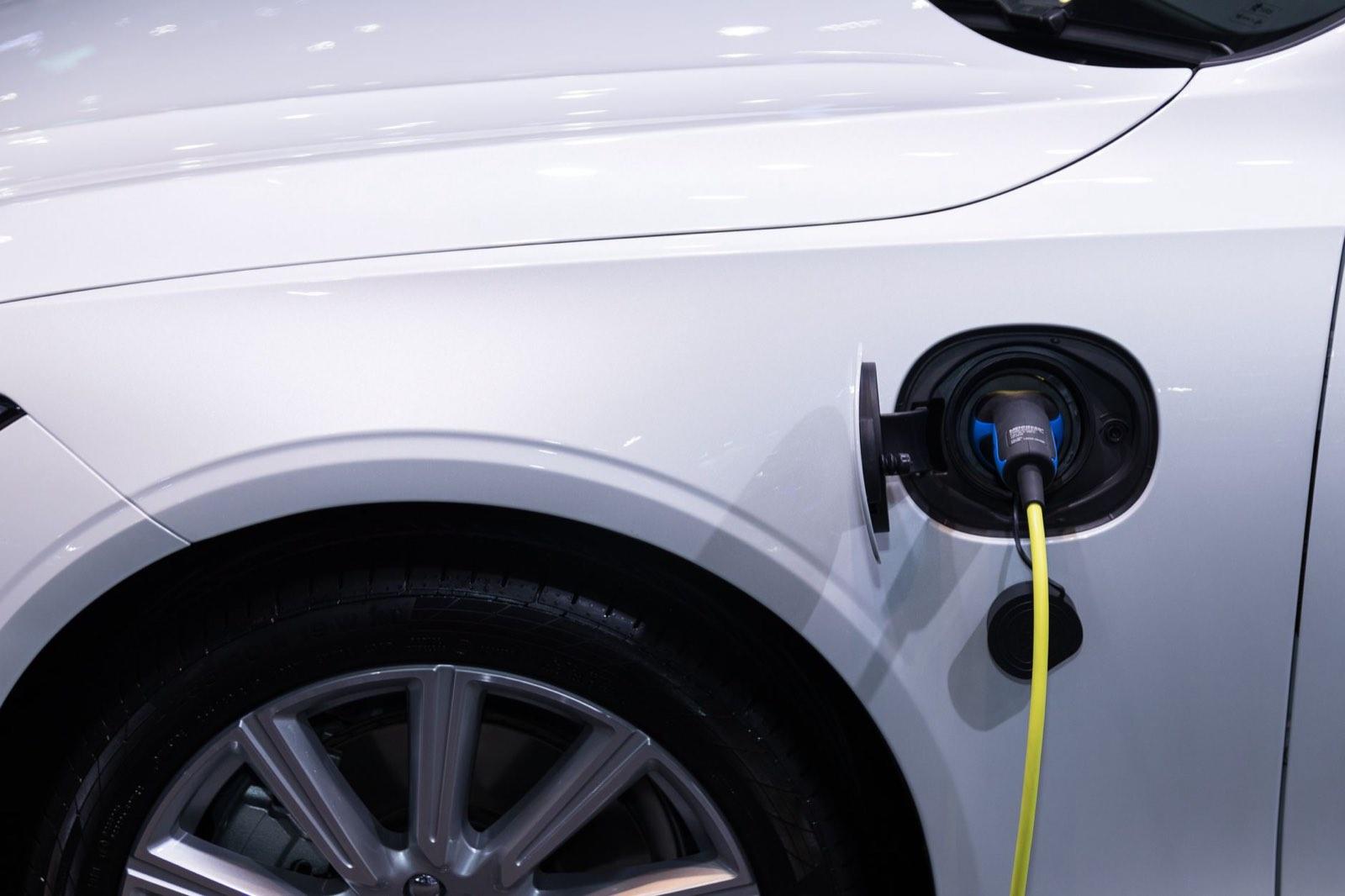
The Sindh government has decided to gradually replace the conventional vehicles used by its departments with electric vehicles and to prefer EVs in all future purchases for government departments. The decision came from a cabinet committee chaired by Senior Minister Sharjeel Inam Memon in Karachi, according to reports by The Nation, ARY News and Daily Times.
What the committee decided
- Conventional vehicles in government departments will be phased out gradually and replaced with EVs.
- EVs will be given preference whenever departments buy vehicles in future.
- New vehicles were approved for the Home Department, the Anti-Corruption Establishment and the Universities and Boards Department.
- The meeting also reviewed ways to cut government spending and save fuel, and looked at each department's vehicle needs.
Provincial Local Government Minister Syed Nasir Hussain Shah attended the meeting. The Nation and Daily Times quote Memon as saying that the future belongs to electric vehicles. ARY News reports him adding that the government wants public institutions to reduce their dependence on fuel.
What the reports do not say
None of the three reports gives the number of vehicles, a budget, a timeline, the models to be bought or any charging plan for government offices. It is therefore not yet known whether the approved purchases for the three departments will be electric, or how quickly older vehicles will go.
The reports also differ on the committee's name. The Nation calls it the Cabinet Committee on Economy, while ARY News and Daily Times call it the Cabinet Committee on Austerity. The meeting date is not stated in any of them; ARY News is dated 13 November 2026, and the other two 14 November.
Why it matters for EV buyers
Government fleets can create steady demand for locally available EV models and for charging at offices. Until Sindh publishes quantities and a schedule, that effect cannot be sized. The decision also sits alongside the federal Auto Policy 2026-31, whose EV tax proposals are still awaiting approval; see our report on the policy.
The stated reason is cost. Fuel is a recurring expense for any fleet, and the cost per kilometre of an EV depends on the local electricity tariff. You can test the difference with your own inputs in our calculators, line up models in the compare tool, and read how we source our data on the about page. We will update this story if the Sindh government publishes the vehicle numbers or a schedule.
Sources
Topics: sindh, government fleet, policy